What Makes a High-Performing Clinical Trial Site?

What Makes A High-Performing Clinical Trial Site?

At CTNx, we work with a wide range of clinical research sites across multiple specialties. Choosing the right site is essential; but when it comes to identifying truly high-performing sites, what seperates the best from the rest? We asked members of the CTNx team one simple question: 
If you could choose one factor that makes a clinical trial site high-performing and ideal for research trials, what would it be - and why?

Kevin Ignasiak, Director of Engagement

Q: If you could choose one factor that makes a clinical trial site high-performing and ideal for research trials, what would it be - and why?

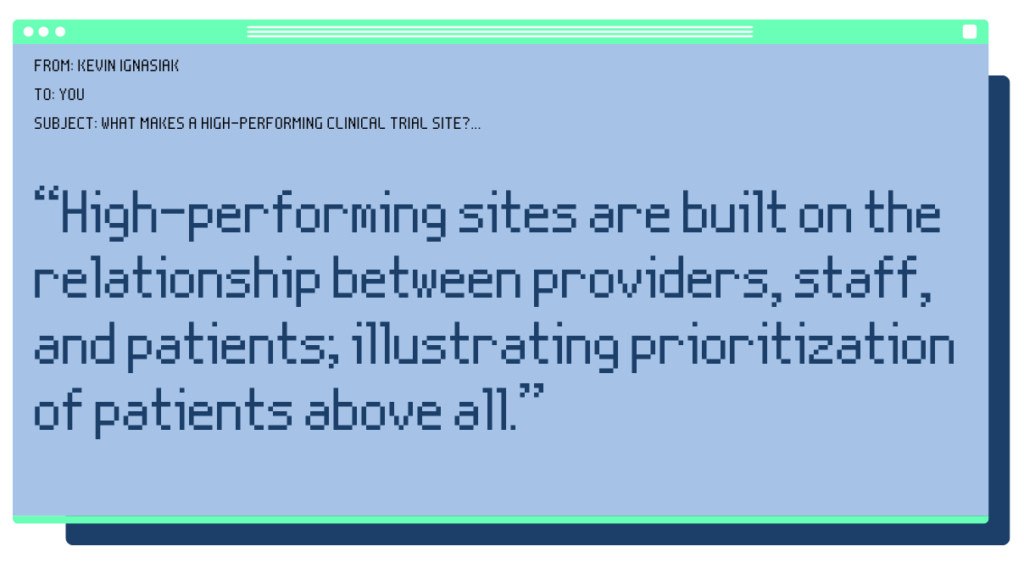
“For me, it’s the relationship between providers, staff, and patients. A high-performing site is built on trust. Patients need to feel comfortable asking questions, understanding the study, and knowing the team actually cares about them.”

Q: Why is that relationship so important?

“Patient participation is, inherently, personal. If providers know their patients well, and have strong working relationships with them, recruitment and retention become much more natural. Patients are more likely to participate when they trust the people introducing the study. It also shows us that the site is in research for the right reasons; to help their patients.

Q: In regards to research sites and their studies, what is an immediate "green flag?"

“When providers geniunely know their patient population. You can tell pretty quickly when a physician or staff member understands their patients beyond just numbers on a spreadsheet. A physician who can talk about patients almost immediately from memory alone – that level of familiarity matters. It illustrates the prioritization of patients above all.”

Q: And a "red flag?"

“When sites throw out recruitment numbers that clearly aren’t realistic. If someone says they can enroll 100 patients, but there’s no actual strategy behind it, that’s usually a warning sign. Feasibility must always be grounded in reality.”

Mikayla Campbell, Trial Engagement Officer

Q: If you could choose one factor that makes a clinical trial site high-performing and ideal for research trials, what would it be - and why?

“It really comes down to consistent, proactive communication from sites. If sites inform us of their patient enrollment capabilities, on-site equipment or lack thereof, and describe their various experiences regarding the clinical research process, we can best provide the appropriate support. By having everyone aligned with accurate information, and utilizing protocol correctly, a research site inherently develops for the better.”

Q: Why is communication so important in clinical research?

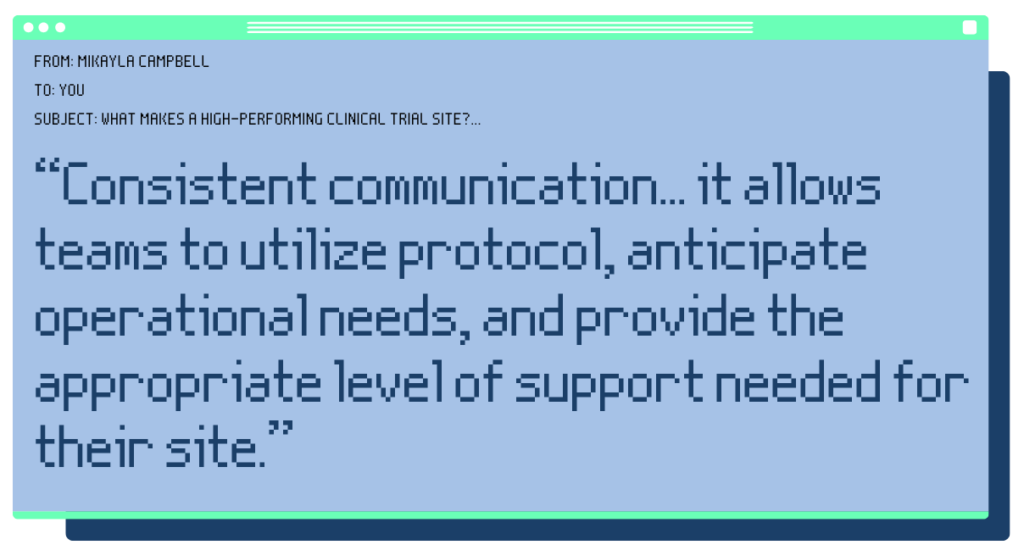
“Effective communication keeps everyone aligned throughout the clinical trial process. When sites provide accurate and timely information, it allows teams to utilize protocols correctly, anticipate operational needs, provide the appropriate level of support to help studies run smoothly, and conduct a successful study.”

Q: How does strong operational alignment contribute to a high-performing site?

“When sites, sponsors, and operational teams are aligned with accurate information/data and shared expectations, research becomes more efficient and consistent. That level of coordination supports stronger protocol compliance, better workflows, and long-term site development.”

Q: What's a major "green flag" you look for in a research site?

“A strong green flag is when a site communicates proactively and transparently from the beginning. Sites that clearly outline their enrollment capabilities, operational strengths, available equipment, and overall research experience allow us to better align support and ensure the study is set up for success.”

Q: What's a major "red flag" that can impact site performance?

“Inconsistent or unclear communication. When important details regarding enrollment expectations, site capabilities, or operational limitations are not communicated early, it can create challenges with protocol execution, study timelines, and overall site performance. Those are pain points for sponsors, and indicators of sites ill-prepared for research.”

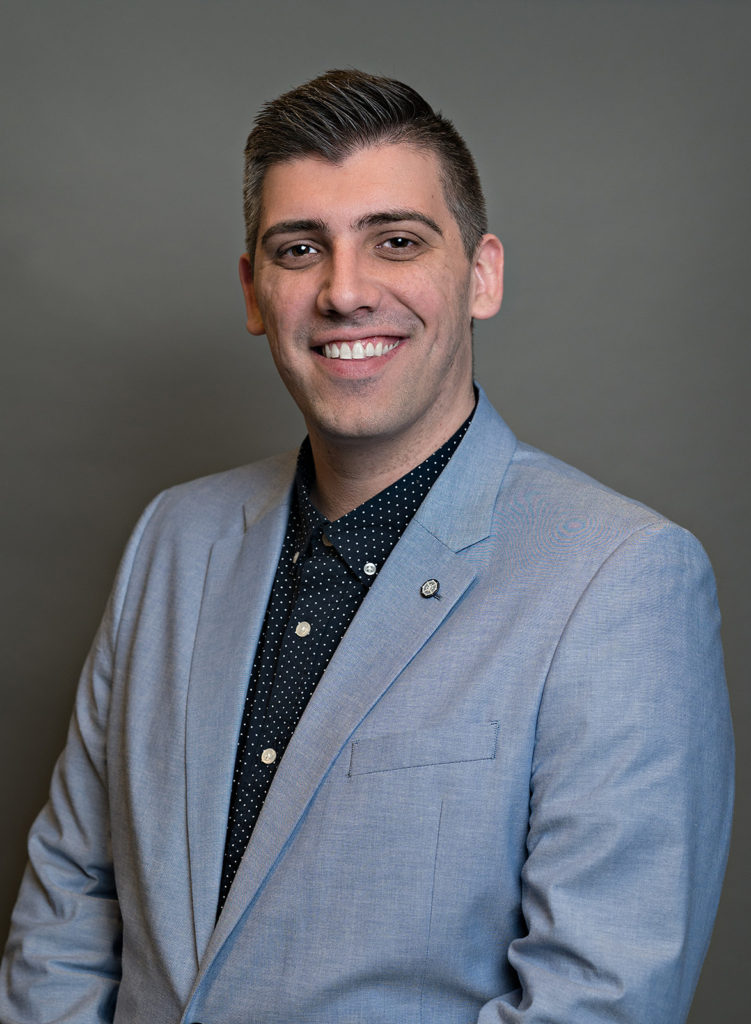
Headshot of The Clinical trials Network President

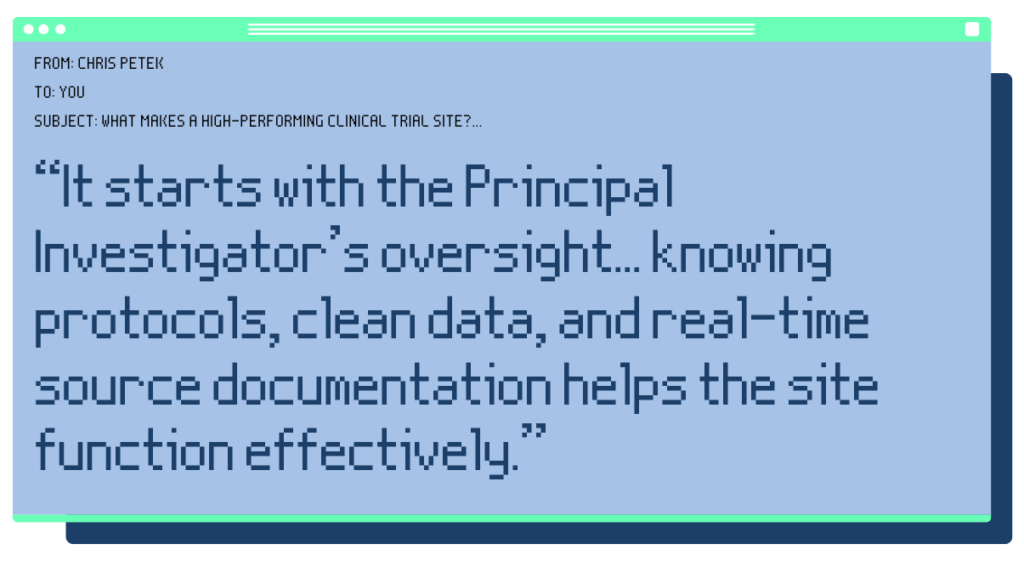
Chris Petek, COO

Q: If you could choose one factor that makes a clinical trial site high-performing and ideal for research trials, what would it be - and why?

“For me, it starts with the Principal Investigator’s engagement and oversight. Research sites perform best when PI’s are actively involved in the studies and consistently engaged with their research team. It shows they care – not just about the study and its success, but also in protocol and compliance, which strong research sites require.”

Q: What does an engaged Private Investigator (PI) look like in practice?

“An engaged PI is someone who is regularly meeting with their research team to review charts and pre-screen potential subjects. They know their protocols well, attend sponsor meetings like interim monitoring visit (IMVs) , and actively discuss trial opportunities with patients during regular clinical interactions. They’re constantly ‘thinking research’ as part of their day-to-day workflow. They are proactive, not reactive.”

Q: What's an immediate "green flag" for you regarding research sites?

“Having a strong study coordinator. Great coordinators take the role seriously and understand how important attention to detail is in research. Same as before, they’re proactive, not reactive; a good coordinator would rather identify exclusion criteria during pre-screening, for example, than putting a patient through an unnecessary screening visit. They know the protocols thoroughly, keep their data clean, enter information into source documents in real time, and stay highly organized with both patient charts and regulatory documentation.”

Q: What immediately stands out as a "red flag?"

“A lack of PI engagement or oversight. If the PI is disconnected from the study, or not actively involved with the research team, that usually impacts the entire operation of the site. The PI, for all intended purposes, serves as leadership; without the proper leadership, the site will function sub-optimally.”

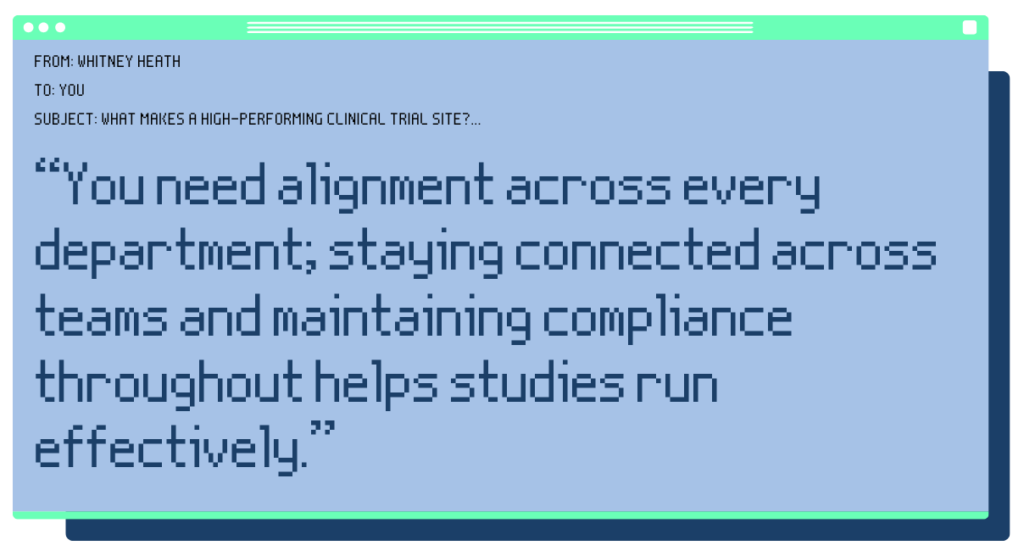
Whitney Heath, Sr. Director of Research Integrity

Q: If you could choose one factor that makes a clinical trial site high-performing and ideal for research trials, what would it be - and why?

“If I had to choose one factor, it would be alignment across every department involved in research. It’s impossible to run a successfull study without strong regulatory and operational procedures that are organized, established practiced, and supported by the proper documentation. Everyone – from Regulatory, to Compliance, to Operations, and site staff – needs to be working towards the same goal.” 

Q: Beyond process and structure, are there qualities that separate high-performing sites from the rest?

“Culture and purpose matter. High-performing sites are committed to patient safety, data integrity, and advancing treatments through quality research. When teams are genuinely invested in the impact research can have on patients and outcomes, that mindset often translates into stronger engagement and long-term success.” 

Q: From a Regulatory perspective, what does that look like in practice?

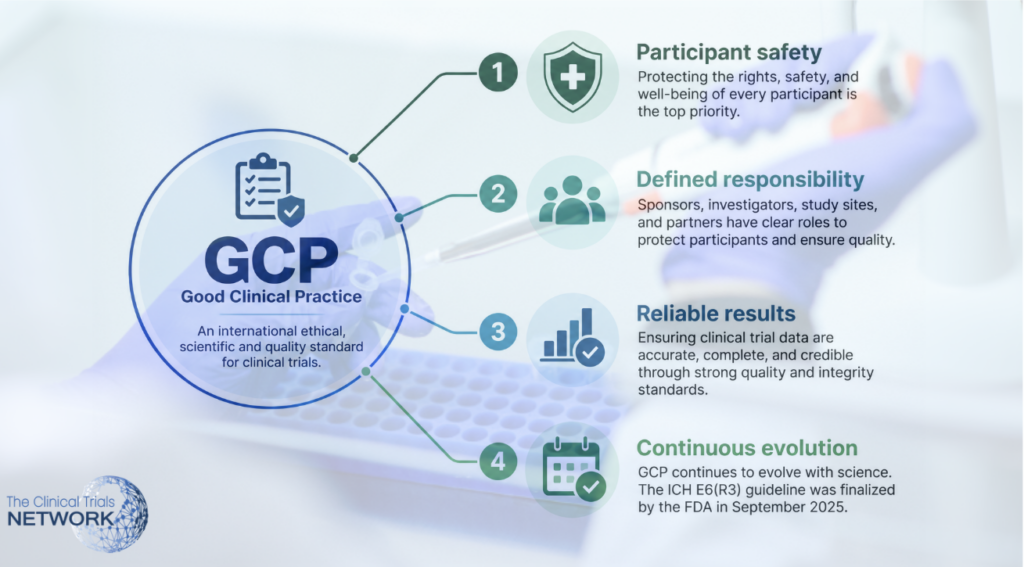
“Preparation and organization are essential. Sites need current CVs, GCP training records, study-specific training documentation, delegation logs, and processes that keep teams informed of protocol updates and changes. Organization matters because an FDA audit can happen at any point, and sites need to be prepared.” 

Q: How does Compliance help support long-term site success?

“We focus heavily on risk-based assessments throughout the life of a study. That means identifying potential issues early, implementing corrective and preventative plans, and helping sites understand actionable steps to support success. Research can feel overwhelming for teams new to the space, which is why training and guidance are so important. At CTNx, we help bridge that gap by bringing the experience and infrastructure needed to support sites and prepare them for success.”

Q: Are there any "green flags" you immediately notice when evaluating a site?

“Engagement is a major one. Principal Investigators who remain involved, communicate regulatory with their teams, address questions in a timely manner, and stay open to feedback demonstrate real investment in their studies. Accountability and collaboration matter; sites that communicate openly, remain transparent, and work through challenges collaboratively tend to build stronger relationships and stronger outcomes.”

Q: Conversely, what would "red flags" look like in regards to site evaluation?

“Delegation of tasks without proper documentation or training to supplement any delegation of tasks. In order for a site to run smoothly, everyone must be clearly trained on their tasks, and documentation must follow delegation.”

Q: What role does communication play in maintaining a successful site?

“At the end of the day, communication drives everything. Staying connected across teams and maintaining alignment throughout the entire process is what keeps studies running effectively and creates the type of performance sponsors continue coming back [to us] for.”

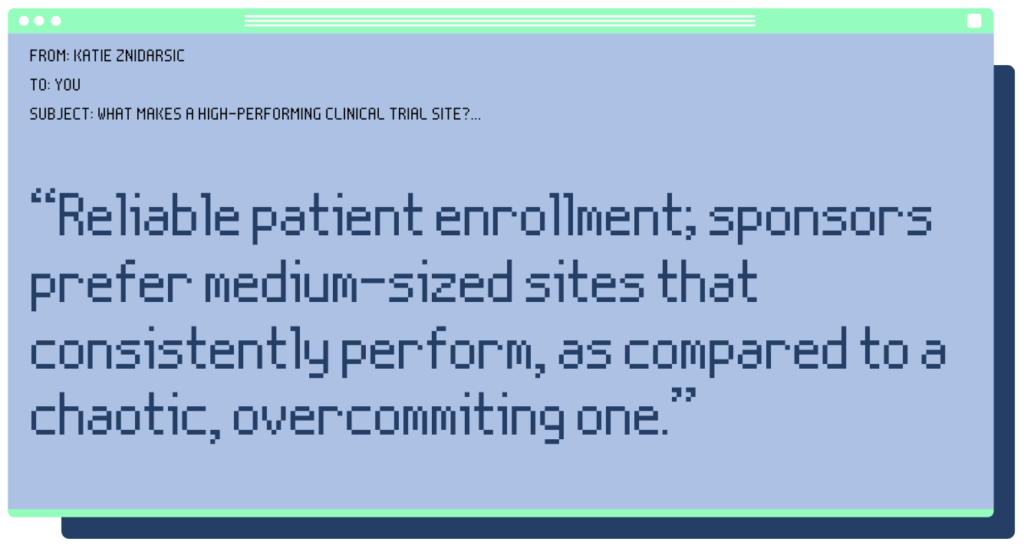
Katie Znidarsic, VP of Operations

Q: If you could choose one factor that makes a clinical trial site high-performing and ideal for research trials, what would it be – and why?

“I would say, Principal Investigator and involvement. Clinical research truly starts and stops with the PI. A highly engaged PI sets the tone and expectations for the entire research staff.”

Q: Why is PI involvement so critical to a site's success?

“Due to the nature of the role, the PI creates the culture of the site. They establish whether compliance, organization, and patient care are priorities. When a PI is engaged, the rest of the team usually follows that example. On the other hand, a disengaged PI can quitely destroy a site over time, and jeopardize an entire study.”

Q: What's a "green flag" for you, in this regard?

“A strong green flag for a high-performing research site is realistic and reliable patient enrollment. Sites that consistently meet enrollment expectations help protect study timelines, maximize sponsor investment, and build long-term trust with sponsors and CROs.”

Q: What's a major "red flag" for you?

“Unrealistic enrollment expectations. One of the biggest challenges in clinical research is setting realistic enrollment goals, and I always tell sites to ‘under promise’ and ‘over deliver.’ Choosing sites based on incorrect enrollment expectations jeopardizes the entire study; it’s always a red flag when we are given arbitrary numbers without any history or evidence to justify them.”

Q: Why is that so important?

“Sponsors, above all, value consistency and reliability. It’s far better for a site to confidently enroll five patients and exceed expectations than promise twnety and only deliver two. Sponsors would much rather partner with a medium-sized site that consistently performs than a chaotic site that overcommits.”

Seth Brine, Director of Research Operations

Q: If you could choose one factor that makes a clinical trial site high-performing and ideal for research trials, what would it be – and why?

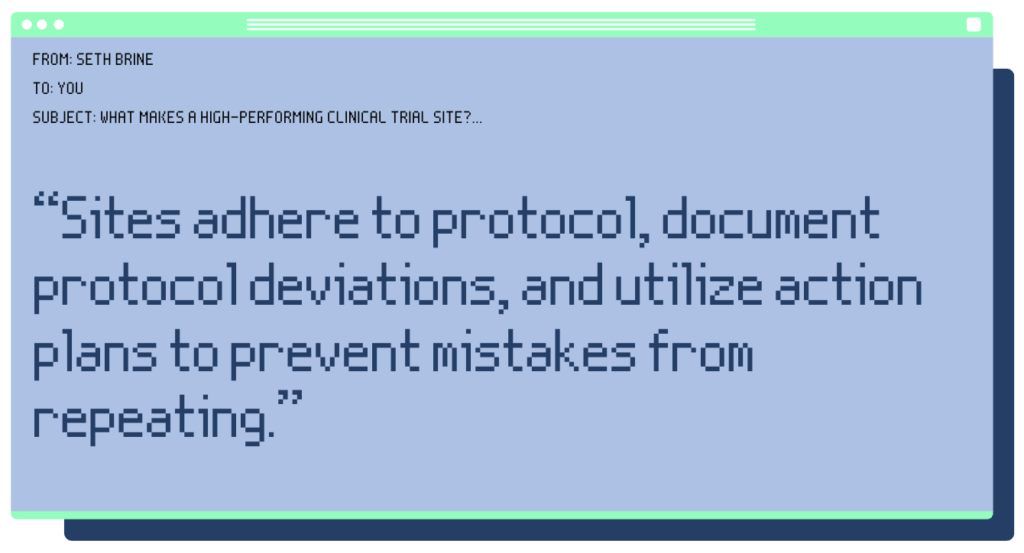
“A strong site understands and follows standard operating procedures across every part of the trial process – from informed consent and data quality, to study drug management. Operational consistency is extremey important in clnicial research – protocol deviations can jeopardize the entire trial.”

Q: Can you elaborate more on protocol deviations?

“Absolutely; protocool deviations refers to any unplanned, accidental, or unintentional change, departure, or non-compliance from the IRB/IEC-approved study protocol; any study relies on protocol being exactly followed. A strong clinical trial site should always have a process in place for preventing, identifying, and managing protocol deviations. Mistakes can happen, but what matters most is how the site responds to them.”

Q: What does that process typically involve?

“Many sites utilize a CAPA, a Corrective and Preventive Action plan, to address the immediate issue while also preventing the same problem from happening again in the future. That level of accountability and organization is critical to maintaining study quality and compliance. It also strengthens a site’s credibility, which helps when being selected for future studies.”

Q: What would be an immediate "green flag" when looking at research sites?

“To expand upon my previous answer, I’d say accountability. It’s important to identify when protocol deviations or any other mistakes are made, and even more so when utilizing a CAPA; the worst scenario is repeating mistakes which could have been prevented via a CAPA. Being accountable builds trusts with sponsors, and wants them coming back to that site for future studies. 

Q: What would be an immediate "red flag?"

“Lack of oversight on safety events and protocol deviations can become a major concern very quickly. Another red flag is when sites are unavailable or disengaged during important sponsor meetings, such as Site Initiation Visits (SIVs). If CTNx show more initiative than the sites themselves – it is impossible for a successful study to be conducted.” 

Dr. Keith Friedenberg, CEO

Q: If you could choose one factor that makes a clinical trial site high-performing and ideal for research trials, what would it be – and why?

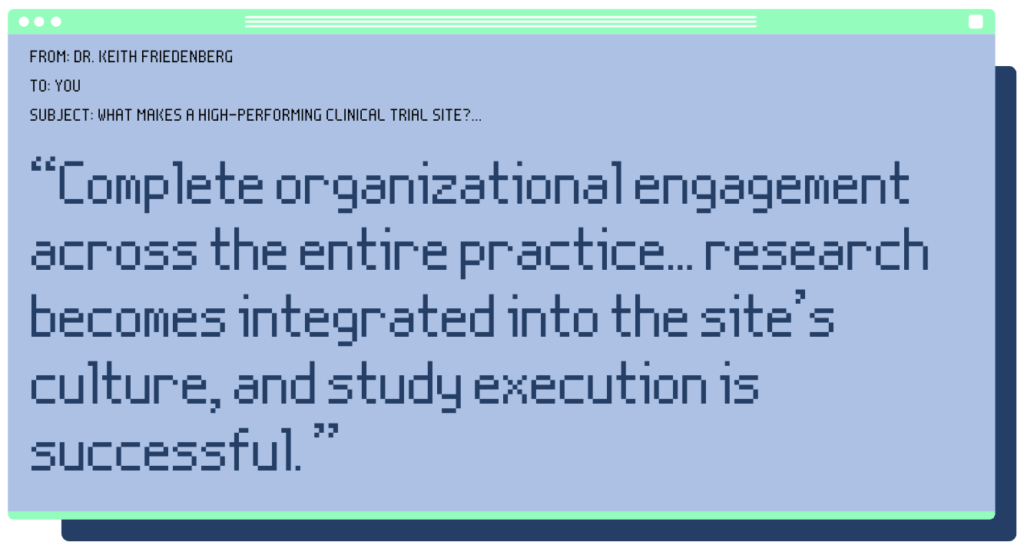
“Complete organizational engagement. Not just from the Principal Investigator, or another sole position; but engagement across the entire practice.”

Q: Why is physician engagement so important to the success of a site?

“When physicians throughout the practice are engaged in research, it creates greater access to patients and ensures that eligible patients are not being overlooked for clinical trial opportunities. Research becomes integrated into the culture of the practice instead of existing as a separate operation.”

Q: How does that impact the patient experience?

“Engagement improves physician-to-patient communication, which is incredibly important in clinical research. When physicians are comfortable discussing trials and actively introducing them to patients, patients tend to feel more informed, more confident, and ultimately more comfortable volunteering for studies.”

Q: Beyond patient recruitment and communication, how else does engagement strengthen a site?

““It also helps physicians grow into stronger investigators. The more engaged they are in research activities and responsibilities, the more they develop as Principal Investigators. That engagement improves performance, oversight, and overall study execution over time.”

How Clinical Trials Can Grow Your Private Practice: 6 Key Benefits for Physicians

How Clinical Trials Can Grow Your Private Practice |
6 Key Benefits for Physician

Participating in clinical trials can open the door to new revenue streams, improved patient
outcomes, and increased professional recognition for private practice physicians. While
clinical research has traditionally been associated with academic medical centers, more and
more private practices are realizing the value of integrating trials into their care models. From
offering patients access to cutting-edge treatments to creating a competitive edge in the
marketplace, clinical trial involvement can be both a strategic and rewarding decision.

 
Here are six key reasons why private practice physicians should consider incorporating
clinical trials into their patient care approach.

1. Enhance Patient Care and Access to Innovative Treatments

Participating in clinical trials allows physicians to offer patients access to cutting-edge
therapies and investigational drugs not yet available to the general public. This is especially
valuable for patients with chronic, treatment-resistant, or rare conditions who may have
exhausted standard options. 

Expanding treatment choices in this way positions you as a forward-thinking provider delivering state-of-the-art care – strengthening both your clinical offering and your reputation.

2. Generate an Additional Revenue Stream

In addition to clinical rewards, serving as a Principal Investigator (PI) offers significant
financial benefits. Clinical trials compensate physicians and their teams for time, expertise,
and resources. 

For private practices, this represents a stable, diversified revenue stream that supports long-term growth. Importantly, participation does not require billing patients, making research a strategically smart business move.

3. Increase Practice Visibility and Reputation

Involvement in clinical research enhances your practice’s reputation within the medical
community. It signals a commitment to innovation, evidence-based care, and patient
advocacy.

This elevated profile can lead to:                                                                                                                                                            + More referrals from other providers.
+ Increased patient trust and loyalty.
+ Greater recognition as a leader in advancing healthcare.

4. Professional Growth and Intellectual Stimulation

Clinical trials offer an opportunity to stay at the forefront of medical innovation. They
provide intellectual challenges beyond day-to-day clinical care and encourage continuous
learning.

Many physicians find that research reignites their passion for medicine and deepens their
engagement in their specialty.

5. Personal Satisfaction

There’s significant fulfillment in knowing your work could improve lives and contribute to
medical advancements. Helping patients access new treatments and participating in breakthrough discoveries provide a sense of accomplishment that goes beyond compensation or career advancement.

Being a PI offers a chance to make a difference in a truly meaningful way.

6. Contribute to the Advancement of Medicine

At its core, clinical research is about moving medicine forward. By participating in trials,
you’re helping evaluate new treatments, medications, and devices that may become the next
standard of care.

Your involvement can:
+ Expand care options for future patients.
+ Improve current therapies.
+ Contribute to innovative solutions for previously untreatable conditions.


The chance to make a tangible impact on the future of healthcare is one of the most.
rewarding aspects of becoming a PI.

Final Thoughts

Being a Principal Investigator is a multifaceted and rewarding role. It offers professional
development, financial benefits, personal fulfillment, and the opportunity to contribute to
medical innovation—all while enhancing the reputation and success of your private practice.
If you’re a private practice physician interested in getting involved in research, we’d love to
connect.

Our team at CTNx has helped more than 90 private practices throughout the U.S. build
successful research programs.

Just reach out to us below and we’ll find a time to chat and share more!